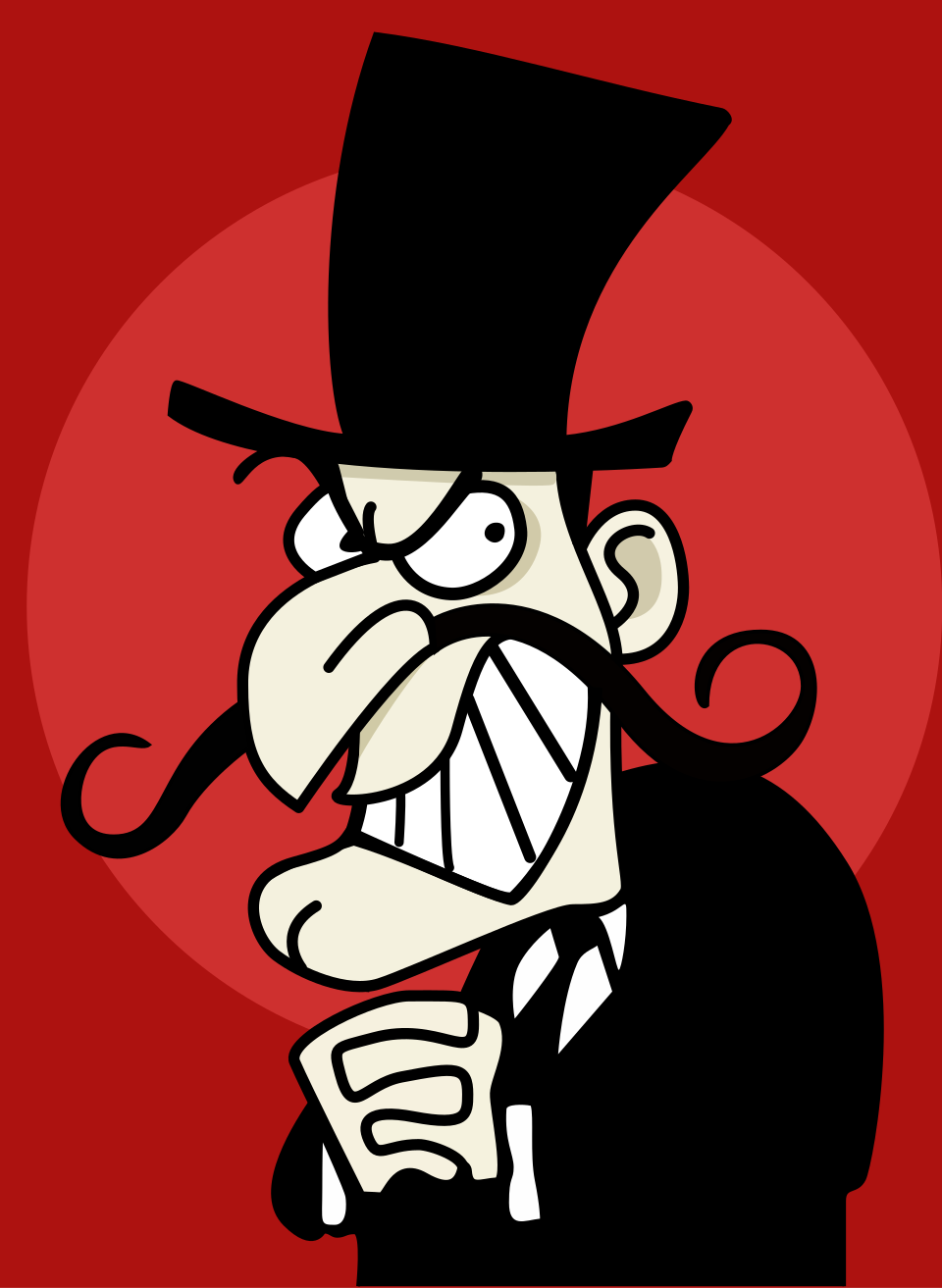
From Peasant to Protagonist's Nemesis: The Evolution of the Villain
Every compelling story needs conflict, and at the heart of that conflict often stands the
villain. This formidable character, whether a cunning mastermind, a monstrous force, or a morally ambiguous antagonist, serves as the antithesis to our hero, driving the narrative forward with their dark ambitions and challenging the very fabric of justice. While today we immediately associate the term "villain" with wickedness and crime, its origins are surprisingly humble, tracing a fascinating etymological journey from the fields of medieval Europe to the complex psyches of modern antagonists. This evolution reflects not only a linguistic shift but also a profound change in how we perceive and portray evil in our narratives.
The Etymological Journey: From _Villanus_ to Modern Malice
To understand the contemporary
villain, we must first peel back centuries of linguistic and social transformation. The word "villain" first entered the English language around 1300, borrowed from Anglo-French and Old French "vilain." Its root lies in the Medieval Latin term _villanus_, which literally meant a farm servant or peasant tied to a _villa_ – a country estate or farm.
In feudal Europe, _villani_ were serfs, laborers bound to the land, often viewed by the nobility as uncultured, coarse, or intellectually inferior due to their agrarian lifestyle and lack of aristocratic refinement. They were the common folk, tethered to the soil, without the privileges or perceived sophistication of the upper classes. This initial association was purely socio-economic, denoting low status rather than inherent moral failing.
However, over the subsequent centuries, this perception began to darken. By the early 15th century, the connotation of _villain_ had evolved significantly. It no longer simply described a low-born individual but one predisposed to ignoble, ignominious, or even criminal behavior. This semantic shift was deeply influenced by medieval prejudices that often equated rural simplicity and lack of noble birth with inherent coarseness, a propensity for vulgarity, or even genuine moral depravity. The "lowly" became "lowly-minded," and eventually, "evil-minded." This transition highlights how societal biases can profoundly shape language, transforming a descriptor of social standing into a powerful label for malevolence.
The Villain's Indispensable Narrative Purpose
Regardless of their etymological roots, the
villain's structural purpose in storytelling remains timeless and absolutely crucial: to serve as the direct opposite to the hero or protagonist. Their motives, whether deeply personal, grandly destructive, or purely chaotic, are the engine that drives the plot along. They are the aggressors who initiate conflict, creating the obstacles and challenges that define the hero's journey.
Consider the stark contrast: while a hero is typically defined by feats of ingenuity, bravery, the pursuit of justice, and dedication to the greater good, a
villain is characterized by acts of selfishness, evilness, arrogance, cruelty, and immoral behavior that often oppose or pervert justice itself. They pursue self-interested or destructive goals – be it domination, revenge, or sheer chaos – which the protagonist must thwart to restore order, balance, or morality. This dynamic creates narrative tension, forcing the hero to grow, make difficult choices, and ultimately embody the virtues they stand for. Without a compelling antagonist, the hero's triumphs would ring hollow, and their virtues would have no crucible in which to be forged. The villain doesn't just create problems; they define the very essence of heroism. For a deeper dive into their indispensable function, explore
The Crucial Role of Villains: Driving Plot and Defining Heroes.
The Modern Villain: Beyond Pure Evil and Monolithic Malice
While the core opposition remains, the portrayal of the
villain has continued to evolve, particularly in contemporary narratives. Gone are the days when most antagonists were merely mustache-twirling figures of pure, unadulterated evil. Modern storytelling often delves into the complexities of villainy, exploring shades of grey and challenging audiences to empathize, if not sympathize, with the antagonist's motivations.
Today's villains can range from outright monsters to cunning schemers, from tragic figures driven by profound loss to ideologues convinced their destructive path is the only way to achieve a greater good. We now encounter:
-
The Sympathetic Villain: Characters whose backstory, trauma, or circumstances lead them down a dark path, making their actions understandable, even if unforgivable (e.g., Erik Killmonger in _Black Panther_ whose villainy stems from a desire to rectify historical injustices).
-
The Anti-Villain: Someone who commits villainous acts but for noble or ultimately good intentions, often using morally questionable means to achieve a justifiable end.
-
The Ideological Villain: Driven by a strong, often distorted, belief system rather than personal gain or malice (e.g., Thanos in _Avengers: Infinity War_, who believes he's saving the universe through mass genocide).
-
The Mirror Villain: An antagonist who reflects the hero's own flaws, fears, or unchosen path, forcing the hero to confront their inner demons (e.g., Harvey Dent/Two-Face in _The Dark Knight_).
These nuanced portrayals tap into a deeper human understanding, exploring how even seemingly good intentions can pave the road to hell, or how societal failings can birth monstrous individuals. The best modern villains are often those we can almost understand, whose twisted logic or tragic past gives a chilling depth to their depravity. They don't just externalize our fears of the unnatural, like Dracula or Frankenstein's monster once did; they internalize and reflect the darker aspects of human nature itself. As storytellers, adding layers to your villain not only makes them more memorable but also elevates the entire narrative, providing a richer experience for the audience. Understanding the multifaceted nature of these antagonists is key to appreciating their narrative impact; learn more about their defining characteristics in
Defining the Villain: Malice, Motives, and Narrative Impact.
Conclusion: The Enduring Power of the Antagonist
The journey of the
villain, from a lowly farmhand to the intricate embodiment of narrative conflict, is a testament to the dynamic nature of language and storytelling. What began as a term rooted in social hierarchy has evolved into a complex archetype, indispensable for driving plots, challenging heroes, and exploring the darker facets of the human condition. Whether they are pure evil, tragically flawed, or morally ambiguous, villains are causal agents of disorder whose defeat often affirms our empirical realities of consequence and accountability. They are not merely obstacles but essential mirrors, reflecting our fears, challenging our values, and ultimately defining what it means to be a hero. As long as narratives seek to explore conflict, morality, and the human struggle, the compelling figure of the villain will undoubtedly continue to evolve, captivate, and terrify audiences worldwide.